Auburn Commercial Pressure Washing: How to Remove Tough Oil Stains from Concrete Parking Lots
High-traffic concrete in Auburn takes a beating. Summer heat, gameday rushes, and daily delivery routes push oil and hydraulic fluids deep into porous parking lots. If you manage a retail center, office campus, or multifamily property, you have more than a cosmetic problem on your hands. You need a reliable plan that restores traction and curb appeal without sending oily water to the gutter. That is where a professional commercial pressure washing program earns its keep.
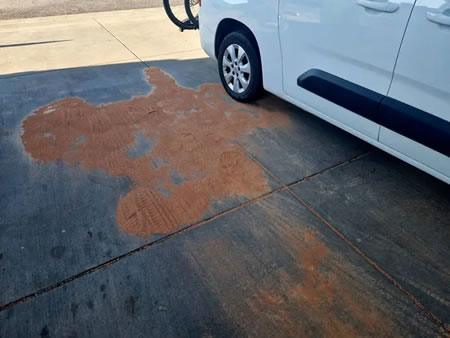
Here is the human-first reality on local concrete: when engines drip, the Alabama sun cooks those fluids into the slab. The bond is not just on top. It migrates below the surface capillaries, which is why a cold rinse looks clean for a day and then the dark spot returns. As traffic grinds sand into the stain, the area becomes slick when damp. oil-bonded residue becomes a slip hazard, which is the last thing any storefront or property manager wants.
Cold water alone cannot break the petroleum binder. You need controlled heat, the right chemistry, and recovery. Think of oil like a waxy glue. Heat softens it, commercial degreasers separate it, and vacuum recovery removes the dirty solution before it can reabsorb. That combination is how Auburn properties stay clean longer between services.
What Makes Oil Stains In Auburn So Stubborn
Auburn’s climate works against you. Hot summers bake stains into place. Heavy afternoon storms splash residue from travel lanes onto walkways. In spring, pollen and red clay dust stick to oil and make the spot grow. Add in university move-ins, tailgates, and contractor trucks around growth corridors like Downtown and Moores Mill, and your concrete faces constant load.
- Heat drives oils deeper into porous concrete, making stains reappear after a simple rinse.
- Traffic abrades the surface, pushing grime into micro-fractures that hold dark shadows.
- Stormwater spreads sheen across larger areas, increasing slip risk near crosswalks and curbs.
- Pollen and clay bind with oil films, dulling the entire entrance zone.
These conditions call for a professional approach that treats the source, not just the symptom. A quick sweep or garden hose cannot reverse months of heat and pressure.
The Professional Process That Actually Works
When Flyway Wash Company services an Auburn parking lot, the aim is simple: remove the contaminant, protect the concrete, and control the water from start to finish. Here is what a thorough, professional workflow looks like at a high level, tailored for oil-heavy areas around drive lanes, cart corrals, dumpster pads, and loading zones.
It starts with a site walk. We note high-risk foot paths, storm inlets, and nearby stores to plan safe routing and off-hour scheduling. Then we stage recovery equipment so nothing we lift can migrate to a curb. The pre-treatment phase uses commercial-grade degreasers formulated for petroleum. hot-water cleaning alone is not enough without the right degreaser, because chemistry is what releases oil from the tiny pores you cannot see.
Next comes controlled heat. A rotary surface cleaner runs hot water at calibrated pressure to agitate the solution across a consistent swath, which avoids the tiger-striping that wands can leave. Agitation is paired with dwell time so the degreaser can work. Then vacuum recovery pulls the emulsified waste into holding tanks for proper disposal. Troublesome spots, like hydraulic spills near compactors, are addressed with targeted applications and a second recovery pass as needed.
Auburn storms can pop up fast. During any cleaning near a curb, never push oily water toward a gutter. Professional hot-water reclamation and staging stop rainbow sheen before it reaches a storm drain and keep paths safe for customers.
This process respects both the concrete and the people using it. Cones and slip warnings protect pedestrians. Coordinating with store managers keeps entrances open. And because water is recovered, your site stays tidy even during a summer downpour. If you manage multiple properties, you can track consistent results because the process is the same every time.
If you are planning a larger refresh that includes building wash or dumpster pad sanitation, you can see all services and bundle work to limit downtime for tenants.
Why Cold Rinses Fail And Spots Come Back
A quick rinse only moves the top film. It does not break the bond below the surface. In Auburn’s heat, residual oil wicks back to the top as the slab dries. The result is the dreaded “ghost” stain. That is why professional service pairs heat and chemistry with recovery. The goal is to lift and remove the contaminant, not just spread it around.
There is also the matter of time. Oil stains form slowly and resist fast fixes. A professional understands how long chemistry needs to interact, how much heat the surface can handle, and how to balance pressure to avoid etching. Getting those three right is what keeps concrete uniform in color rather than patchy.
Protecting Storm Drains And Meeting Local Expectations
Parking lots are built to move water. That works against you when oils are present. A responsible provider stages berms, reclaim mats, and vacuum hoses before cleaning starts, so nothing migrates to a curb inlet. never let rainbow sheen reach a storm drain. Beyond appearance, protecting drains is simply the smart way to keep your property in good standing with neighbors and tenants.
Recovery also reduces tracking. When a storm hits an hour after service, water that has already been recovered cannot wash back across a sidewalk. You get consistent results even with Auburn’s pop-up showers. That means fewer callbacks, safer walkways, and happier tenants.
Results You Can Expect On Aged Oil Stains
Honest expectations matter. Fresh drips and medium stains respond well to hot water and petroleum-targeted chemistry. Old, baked-in spots may lighten significantly yet leave a faint shadow. That shadow often blends further as traffic normalizes the surface. The key is pairing stain removal with a plan for prevention, like timely service after heavy events or scheduling monthly touch-ups for known trouble zones.
If you are consolidating services across several properties, anchoring your plan with auburn commercial pressure washing helps standardize results and simplify vendor coordination. Consistency across your portfolio also makes budget forecasting easier season to season.
Hot-Water Reclamation: Why It Matters For People And Property
Reclaim systems are not just about the environment. They also create a tighter, cleaner job site. By collecting wash water at the tool, we cut down on overspray, puddles, and re-soiling. Customers can walk to their cars without tracking degreaser across the lot. Tenants see a clean, dry entrance the next morning rather than damp stripes and odor.
Finally, recovery protects the concrete itself. When you rinse but do not remove, residues can settle back into pores or wick to nearby areas. Vacuum recovery interrupts that cycle. The surface stays brighter and more even, which supports brand standards for national retailers and small businesses alike.
Avoiding Damage While Lifting Stains
Concrete can be tough, but it is not bulletproof. Too much pressure can leave wand marks or expose aggregate. The wrong chemistry can dull sealer lines or discolor decorative borders. A trained technician balances heat, flow, and detergent strength to lift the oil without harming the surface. ask about water recovery and waste disposal on every job so you know the plan protects people, property, and the surrounding landscape.
- Choose providers who use commercial-grade degreasers designed for petroleum, not household cleaners.
- Look for hot-water surface cleaners paired with vacuum recovery, not just a hose and wand.
- Confirm clear pedestrian safety steps: cones, signage, and after-hours scheduling when needed.
- Expect photo documentation of heavy stains before and after, especially at dumpster pads and loading zones.
Building A Smarter Maintenance Schedule
In Auburn, heat accelerates staining in summer and storms spread films across wider areas. A proactive schedule beats emergency cleanups every time. Many managers pair quarterly deep service with quick-touch visits on known hotspots like drive-thrus or delivery lanes. That rhythm keeps the lot safe and attractive without constant disruption.
Timing helps too. Late evening and early morning windows reduce traffic and allow areas to dry before stores open. During football weekends, adding a post-event pass around main lanes near campus can stop new drips from setting in. Over a season, these small choices keep entrances bright and customers confident.
Why Flyway Wash Company For Auburn Properties
Flyway Wash Company focuses on people first. Crews show up ready with commercial-grade degreasers, calibrated hot-water equipment, and on-board reclamation so your site stays clean and compliant. We plan around your tenants and customers, communicate clearly, and deliver predictable results that protect your brand standards.
If you are dealing with stubborn parking lot stains right now, our commercial pressure washing service is built for Auburn’s heat and traffic patterns. You get a safer walk path, brighter concrete, and less rework after storms. One call and we will align on scope, schedule, and site logistics that fit your property’s rhythm.
Ready To Restore Curb Appeal And Safety
Let’s make those oil stains a non-issue for your tenants and customers. Call 334-219-1079 to schedule a site walk with Flyway Wash Company, or lock in your maintenance plan today. For fast help on active problem areas like dumpster pads, loading docks, or drive-thrus, book our Auburn-focused service and we will tailor a plan that fits your hours and traffic. Start with the right partner and keep it simple from here.