How Often Should You Pressure Wash Your Auburn Home?
Your home faces heat, humidity, red clay, and heavy spring pollen. That mix can dull paint, stain concrete, and invite algae. Most homes benefit from a predictable pressure washing routine, and the right schedule keeps curb appeal high while protecting materials. For delicate areas like siding and trim, soft washing is the safer approach that still achieves a deep clean.
If you’re searching for a realistic plan for your block in Auburn, this guide breaks down timelines, local factors, and easy cues to follow. You’ll also learn when to book specialized care so your home looks fresh in every season.
How Often Should You Schedule Pressure Washing in Auburn, AL?
A good rule for Auburn homes is once every 12 months for an overall exterior refresh. Many homeowners in shaded streets or near trees choose twice per year because moisture and pollen linger longer there. Roofs and stained wood need gentler cycles, while concrete sees heavier wear and benefits from more frequent cleaning.
Think of your schedule like lawn care. You don’t wait until grass is waist high. You maintain it before problems set in. The same idea applies to curb appeal maintenance and the health of paint, shingles, and sealants. Your exact timing varies by surface, shade, and wind patterns around your home.
Surface-By-Surface Timeline for a Cleaner Home
Use these general timelines as a starting point. Frequency can vary by material, shade, and exposure to irrigation, gutters, or trees.
- Siding: Every 12–18 months. Vinyl and painted siding in shaded areas may lean closer to 12 months due to mildew and pollen film.
- Roof: Every 24–36 months with gentle care. Algae streaks or lichen call for soft washing rather than high pressure.
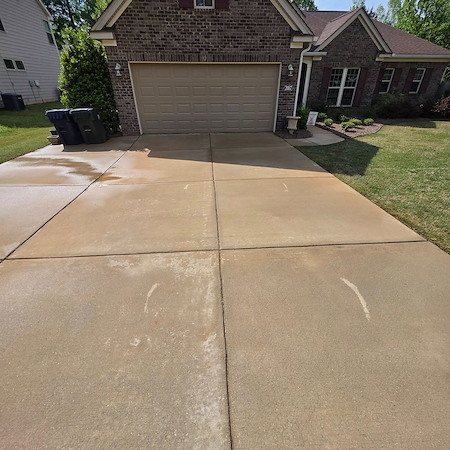
- Driveways and Walkways: Every 12 months, sooner if slick or stained by clay, oil, or leaf tannins.
- Decks and Fences: About every 12–18 months to keep wood bright and ready for sealing or staining.
- Windows: 1–2 times per year to remove mineral spots and pollen haze.
- Gutters and Trim (brightening): Annually, with touch-ups after heavy storms or leaf fall.
These intervals spread your effort across the year so buildup never gets ahead of you. Waiting too long lets algae dig in and makes future cleanings less efficient.
Local Factors That Change Your Cleaning Schedule
Spring pine pollen: Auburn sees a heavy coating each spring. That yellow dust settles on roofs, siding, and windows and can cling to damp surfaces. Scheduling after the peak drop gives you the longest-lasting clean.
Summer humidity and storms: Afternoon pop-up showers and heat create perfect conditions for mildew on north-facing walls and shaded entries. Watch areas that stay damp after rain or irrigation overspray.
Red clay and traffic film: Driveways and lower siding collect red clay splash and road grime. That fine, rusty pigment grabs onto pores in concrete and brick, which is why routine cleaning keeps the surface bright.
Tree canopy and shade: Homes near Moores Mill, Grove Hill, and other tree-lined pockets often need shorter intervals because shade slows drying. Algae loves cool, damp spots.
Simple Seasonal Plan Auburn Homeowners Can Follow
Spring: Tackle siding, windows, and the front entry after the worst pollen settles. This sets your home up for graduation parties and summer gatherings. If your concrete feels slick or looks orange from clay, put it on the list too.
Late Summer: Heat and thunderstorms can leave green film on shaded sides. This is a smart time for a quick exterior touch-up so mildew doesn’t root deeper.
Fall: Clear stains that leaves and acorns leave behind. If you plan to reseal wood or refresh paint, schedule cleaning first so finishes bond well. For a broader overview of options, many homeowners start with pressure washing in Auburn, AL resources, then fine-tune by surface and season.
Winter: Use the slower months to plan next year’s maintenance. Book early for spring, especially if you’re preparing to sell or host family events.
Signs Your Home Needs Attention Now
- Dark roof streaks that don’t rinse away after rain.
- Green haze or speckled spots on shaded siding.
- Slippery steps or a film on concrete after watering. Watch for slick surfaces near downspouts and shaded walkways.
- “Tiger stripes” on gutters or dingy fascia boards.
- Cloudy windows that stay filmed even after a good wipe.
- Musty smells near shaded walls, fences, or the north side of the house.
When you notice two or more of these, don’t wait for a calendar date. Build a quick appointment into your routine so problems don’t multiply.
Soft Washing vs. High Pressure: Picking the Right Method
Not every surface can handle the same force. Roof shingles, older paint, and many trims prefer low pressure paired with cleaners that break the bond between grime and the surface. Hardscapes like concrete and brick can tolerate more force.
For a deeper dive, this article on softwashing vs pressure washing explains why matching the method to the material protects your home and extends results. As a rule, avoid using high pressure on siding and roofs. Choosing the right process makes your clean last longer and keeps finishes intact.
Recommended Timing by Common Auburn Situations
Every home’s microclimate is a little different, especially with tree cover and irrigation. These quick examples can help you fine-tune:
Shaded cul-de-sacs: Moisture lingers after rain, so siding and decks may need cleaning closer to 12 months. Concrete that never sees afternoon sun can get slick faster.
Homes near busy roads: Expect more dust and a faster return of film on windows and lower siding. Annual whole-home cleaning plus a midsummer touch-up keeps things bright.
New builds with fresh landscaping: Mulch dyes, clay runoff, and sprinkler overspray mark foundations and walks. Address those early so they don’t set in. Consistent maintenance prevents premature wear on coatings and sealants.
How This Fits Your Curb Appeal Goals
Set your schedule to match moments that matter. Planning around football weekends, graduation, or holiday visits keeps your home photo-ready. It also supports long-term value by keeping stains off early and preventing algae growth from taking hold.
If you’re preparing for listing photos or an appraisal, book a comprehensive clean a few weeks ahead. That timing lets everything dry, settle, and look its best.
Why Partner With a Local Pro
A local team understands Auburn’s pollen cycle, red clay, and the way summer storms move through neighborhoods. They also know when a surface calls for gentle care versus stronger techniques. That’s why many homeowners start with soft washing for siding, trim, and roofing elements, then add services for concrete, decks, and fences as needed.
Working with Flyway Wash Company means you get a plan that fits your home instead of a one-size-fits-all schedule. You also have someone you can call the moment you see streaks or slick spots returning.
Protect Your Curb Appeal Year-Round
Keep it simple. Aim for a whole-home clean once a year and adjust for shade, pollen, and heavy foot traffic. Schedule after the spring pollen drop for the longest-lasting results, and add a quick touch-up when summer humidity starts to feed mildew.
Ready to refresh your exterior and keep it that way? Call 334-219-1079 to talk with Flyway Wash Company about the right plan for your siding, roof, and concrete. When gentle care is best, our pressure washing team uses proven methods tailored to Auburn homes so the clean looks great and lasts.